The Sea View Is Not Always the Best Seat
Choose a coastal sports seat that suits your game, comfort, and weather exposure, so you can watch without spending the outing shifting or squinting.
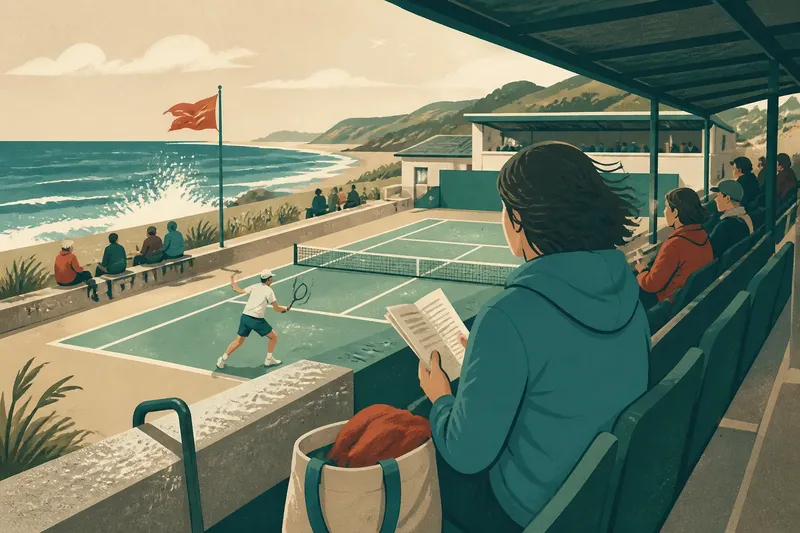
The common seating mistake at a coastal sports ground is choosing the most exposed or scenic spot before checking how wind, spray, and glare will affect the outing. A seat beside the water can leave a program flapping, refreshments blowing away, or damp clothing uncomfortable before the game is underway. Choose for shelter and comfort first, then decide whether the sea view is worth any remaining inconvenience.
Read the exposure
Wind behaves differently around open beaches, dunes, harbor walls, and buildings. A seat that feels sheltered at the entrance may sit in a direct gust once you reach the stands, while a wall can block wind from one direction and funnel it from another.
Notice where loose sand, flags, and nearby vegetation are moving, and check whether spray is reaching the seating area. These clues help you decide whether to sit near a barrier, move farther inland, or bring a wind-resistant outer layer. Do not assume that a sunny patch will stay comfortable if the breeze is cutting across it.
Compare seating options
Open waterfront rows
Open rows put the shoreline close and can make a short visit feel distinctly coastal. They also leave you more exposed to crosswinds, salt spray, and low sun. Choose them if conditions feel comfortable and you can keep belongings secure; move to a sheltered section if wind or glare makes watching unpleasant.
Seats behind a barrier
A low wall or windscreen may reduce the force of a breeze, but it can also block a seated view or collect blowing sand. Check from sitting height before settling in. If the barrier obstructs the playing area, choose a nearby section with a clearer opening rather than leaning forward throughout the game.
Inland or covered rows
Rows farther from the water, under a roof, or beside a building can offer a calmer place to watch. They may have less of the shoreline atmosphere, and a roof edge can still admit sideways rain. Pick this option when keeping warm and dry matters more than sitting beside the surf.
What should you check before sitting?
Is wind reaching the row?
Watch flags, clothing, or loose litter near the seats. If they move sharply or the breeze carries sand into the row, choose a sheltered position and secure lightweight items; if movement is slight, the open seat may be comfortable enough.
Will spray or rain reach you?
Look for damp surfaces and droplets on nearby rails, then check whether the wind is blowing toward the seats. If water is reaching the row, move under cover or farther inland; if the area is dry and the weather is settled, an open seat is a reasonable choice.
Can you stay comfortable?
Consider your clothing, mobility, and how long you expect to remain seated. If you are already cold or find the seat difficult to access, choose a more protected and convenient place; if you feel comfortable and can move easily, stay where you are.
A worked seating choice
Say you arrive at an open beach court wearing a light jacket, carrying a paper program, and hoping to watch a full match. You notice that the program keeps lifting in the breeze and that a nearby rail has a damp sheen on its water-facing side. You compare an exposed bench by the promenade with a covered row farther inland, then choose the covered row and tuck the program into a bag. The tradeoff is less immediate contact with the shoreline in exchange for a drier, steadier place to sit.
Small checks, clear choices
- Check whether flags or clothing are moving sharply; if they are, choose a sheltered row, otherwise consider the open seats.
- Check for spray on rails or damp seat surfaces; if present, move inland or under cover, otherwise stay if the view suits you.
- Check whether a wall blocks your view from sitting height; if it does, move to a clear opening, otherwise use the barrier for shelter.
- Check whether loose papers or lightweight belongings can be secured; if not, put them in a bag or choose a less exposed seat.
- Check whether low sun makes you squint; if it does, choose shade or a different facing direction, otherwise keep the preferred row.
- Check whether the route to the seat feels manageable; if it does not, choose an accessible nearby section, otherwise settle where you are comfortable.
What is not worth it
There is little value in searching every corner for a perfect combination of shelter, scenery, and comfort. A quick look at the wind, dampness, shade, and route to the seat is usually enough to make a sensible choice.
For coastal sports seating, use the main search phrase—coastal sports seating—as a reminder to judge the place as well as the view. If the open waterfront row feels pleasant and your belongings stay secure, enjoy it; if exposure becomes distracting, move to shelter rather than enduring the conditions for the scenery.